
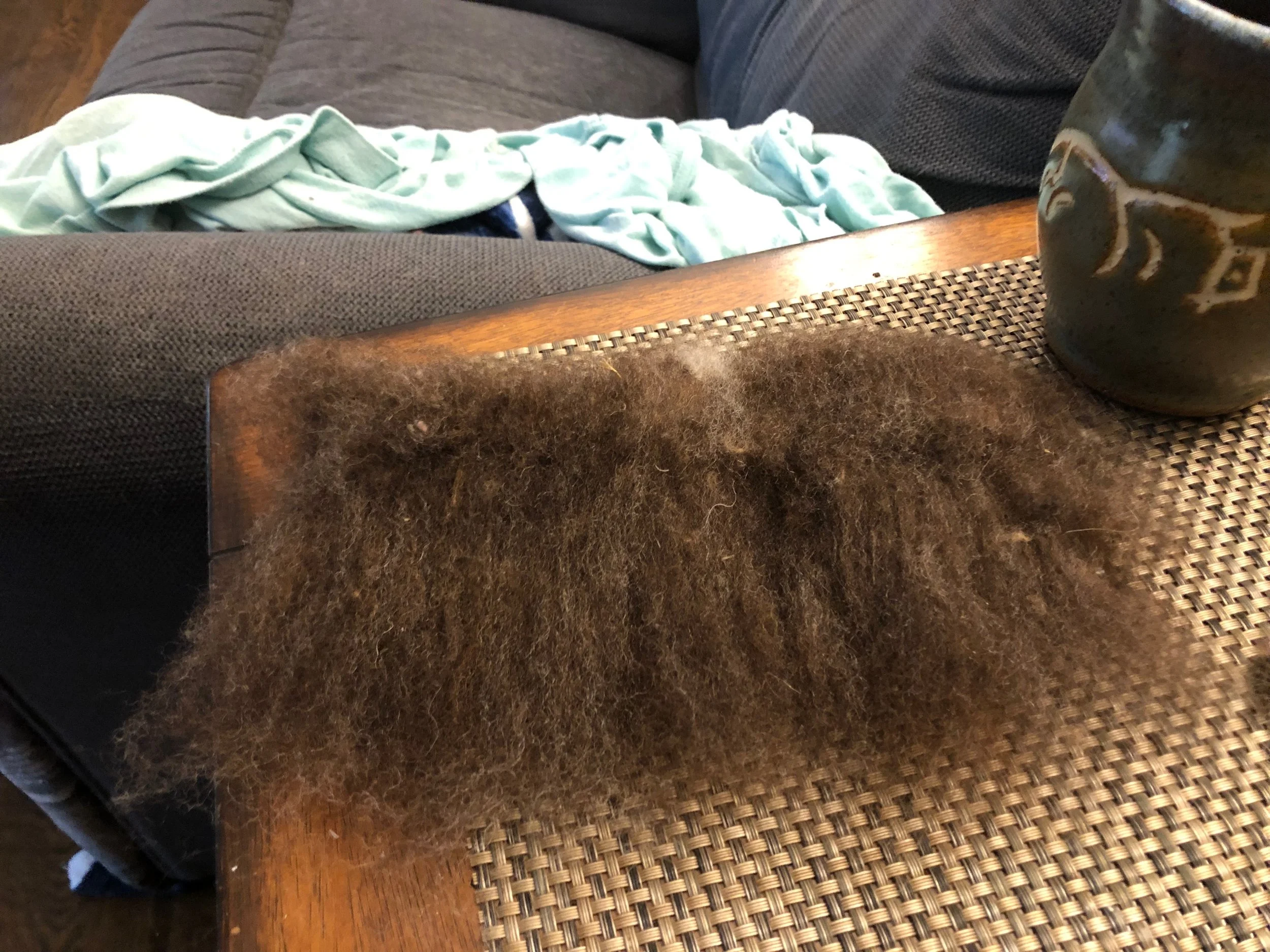
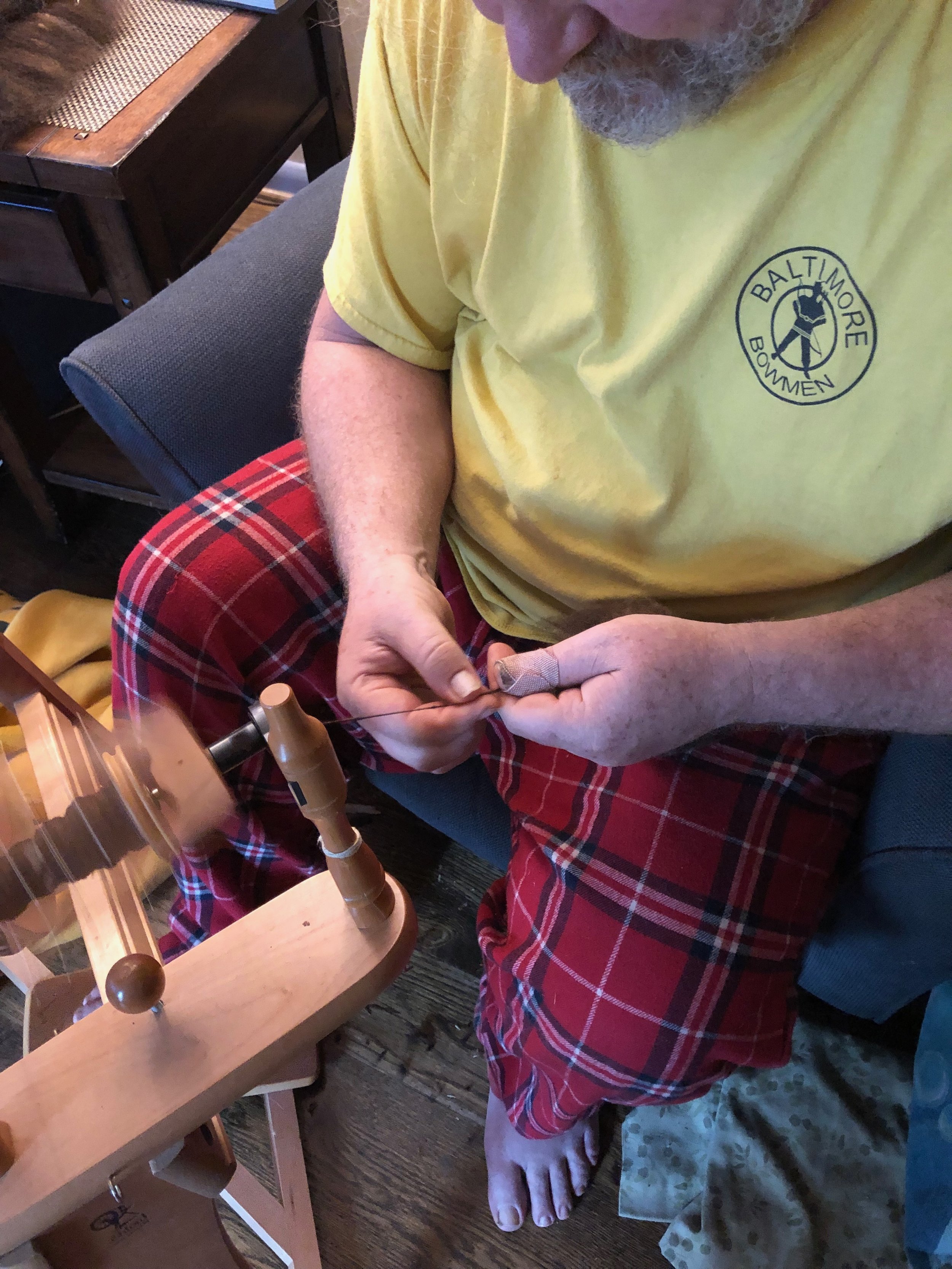
So on Sunday I proceeded to the next step in making the hood. This involved taking the now dry dark wool and making it spin-able. most of my projects in recent times have been done with viking combs to get the best of the wool and leave behind the inferior wool. Because of the limited amount of wool available, I elected to go back to standard combs. This would not create as nice of a yarn, but it allowed me to keep more of the roving. This will be the main activity of making the hood until most of the roving has been processed. The yarn will be stored on spools till a better estimation can be made of the amount. I hope to be able to ply the yarn into 2 ply for strength and uniformity, but that will depend on how much is produced.






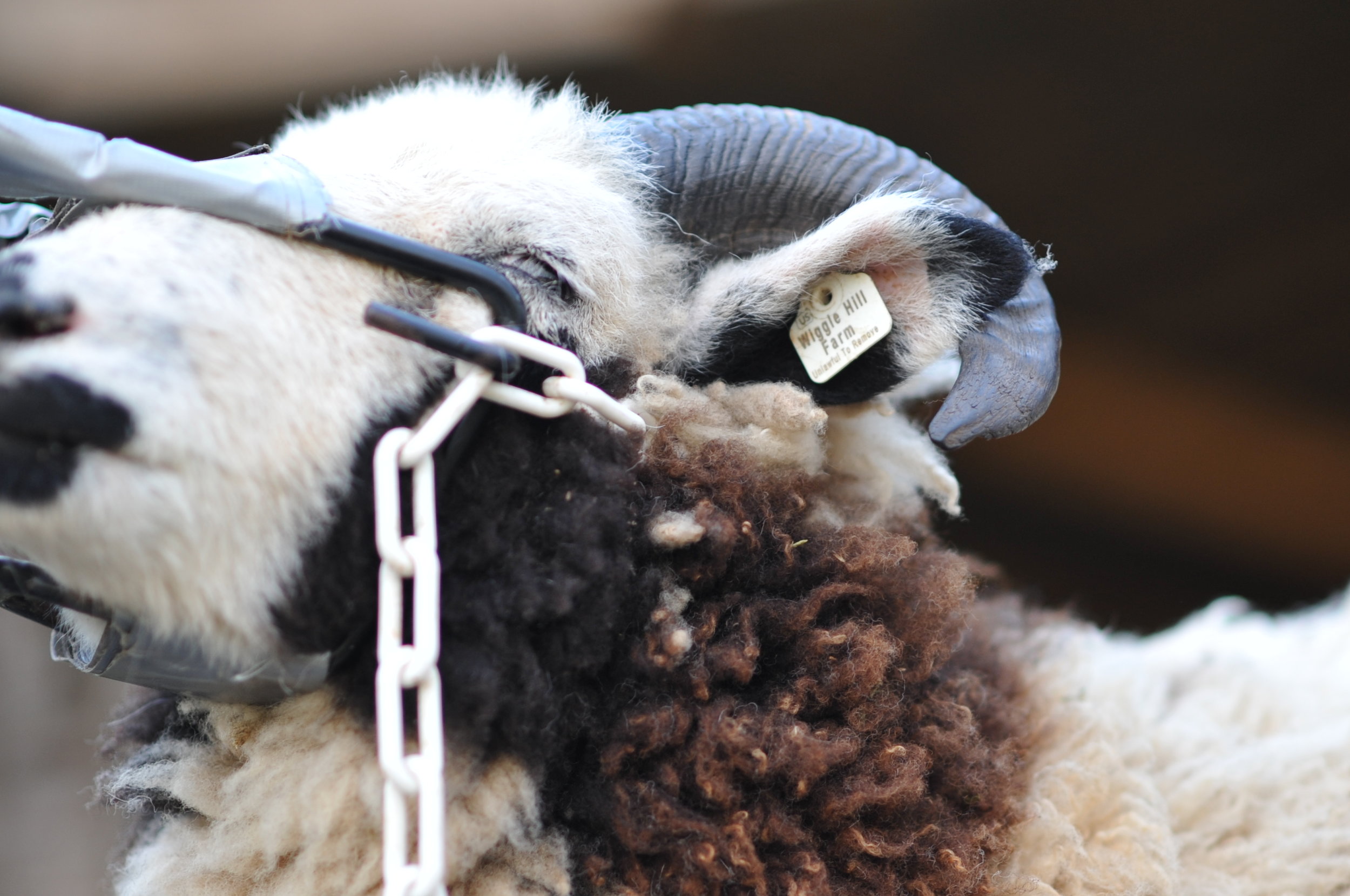
Processing the wool from the Elchenburg Castle sheep
The plan for the wool from the 3 new sheep at Elchenburg castle is to clean spin and weave them into a hood. The hood will be woven in hopefully a plan or gigham pattern depending on the amount of wool i can get from these 3 sheep.
The first sheep to be started on processing is Mareep.


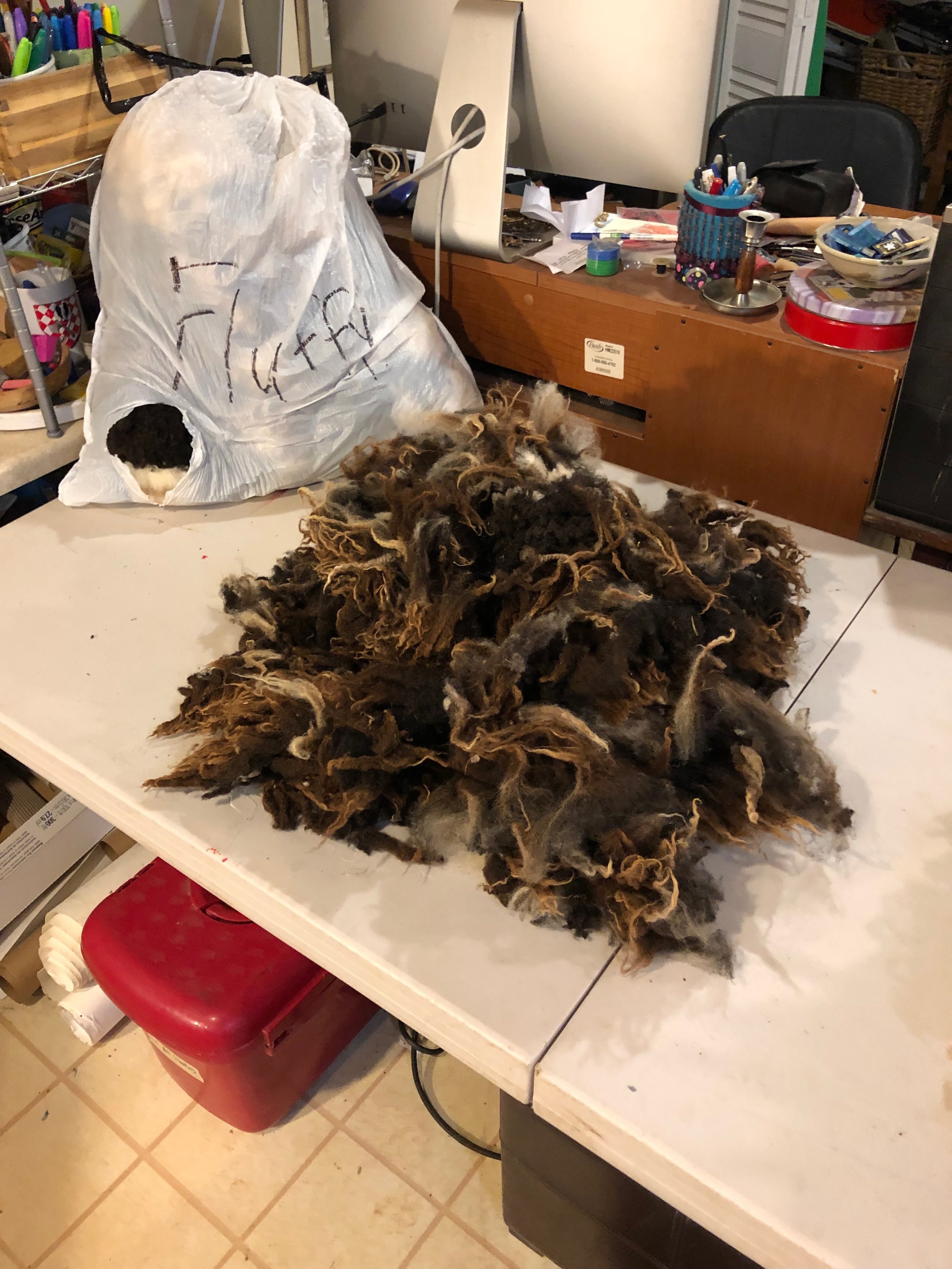
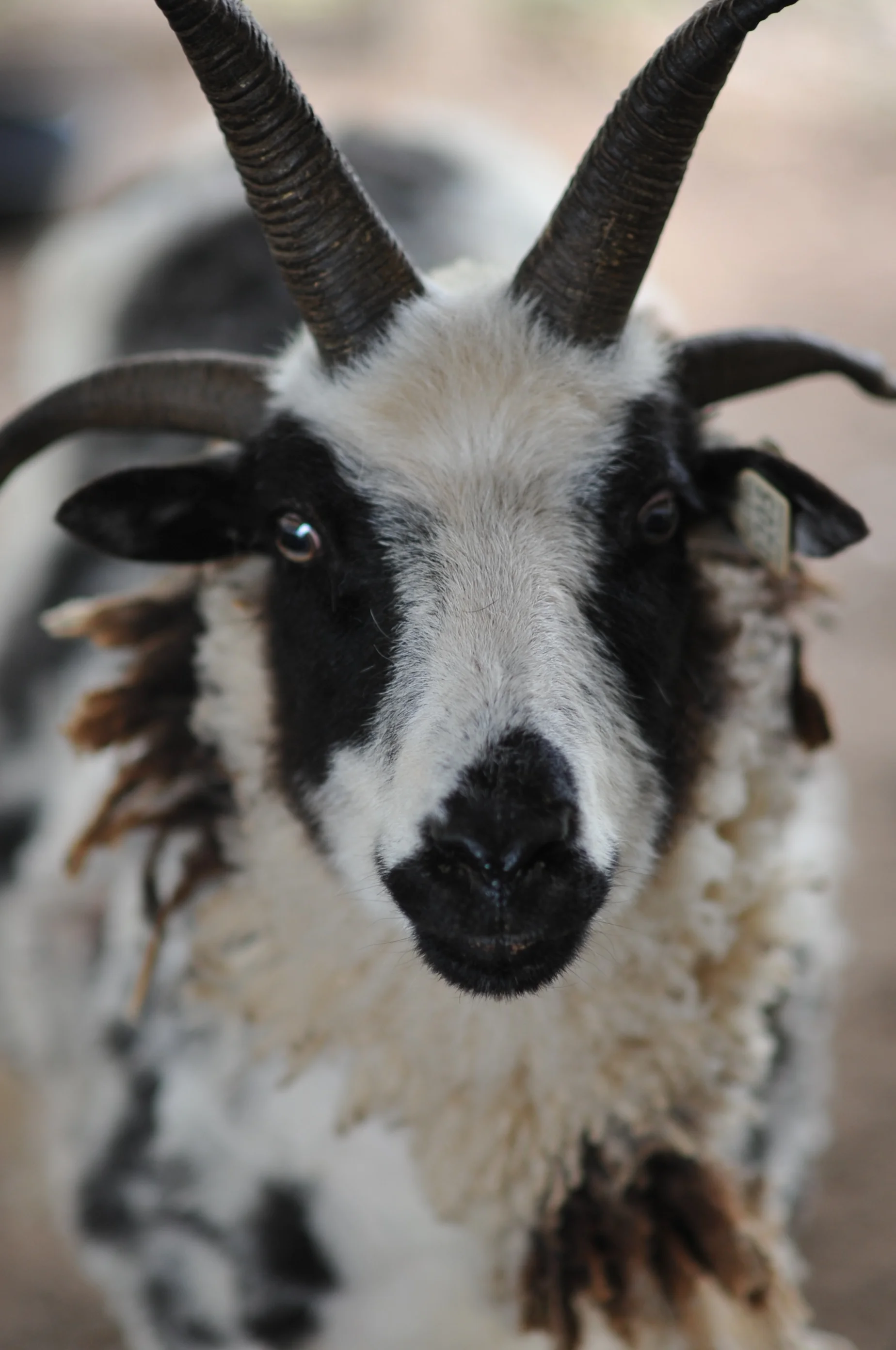
Although the sheep (Jacob) seem to have 4 possible distant colors, Black, Brown, Tan & White, I will concentrate this weaving on making a 2 color hood, Dark and light. the wool is being devided before washing and will be wash and picked by color. Here is Mareep decided bt color:
The other sheep to be processed is Fluffy.
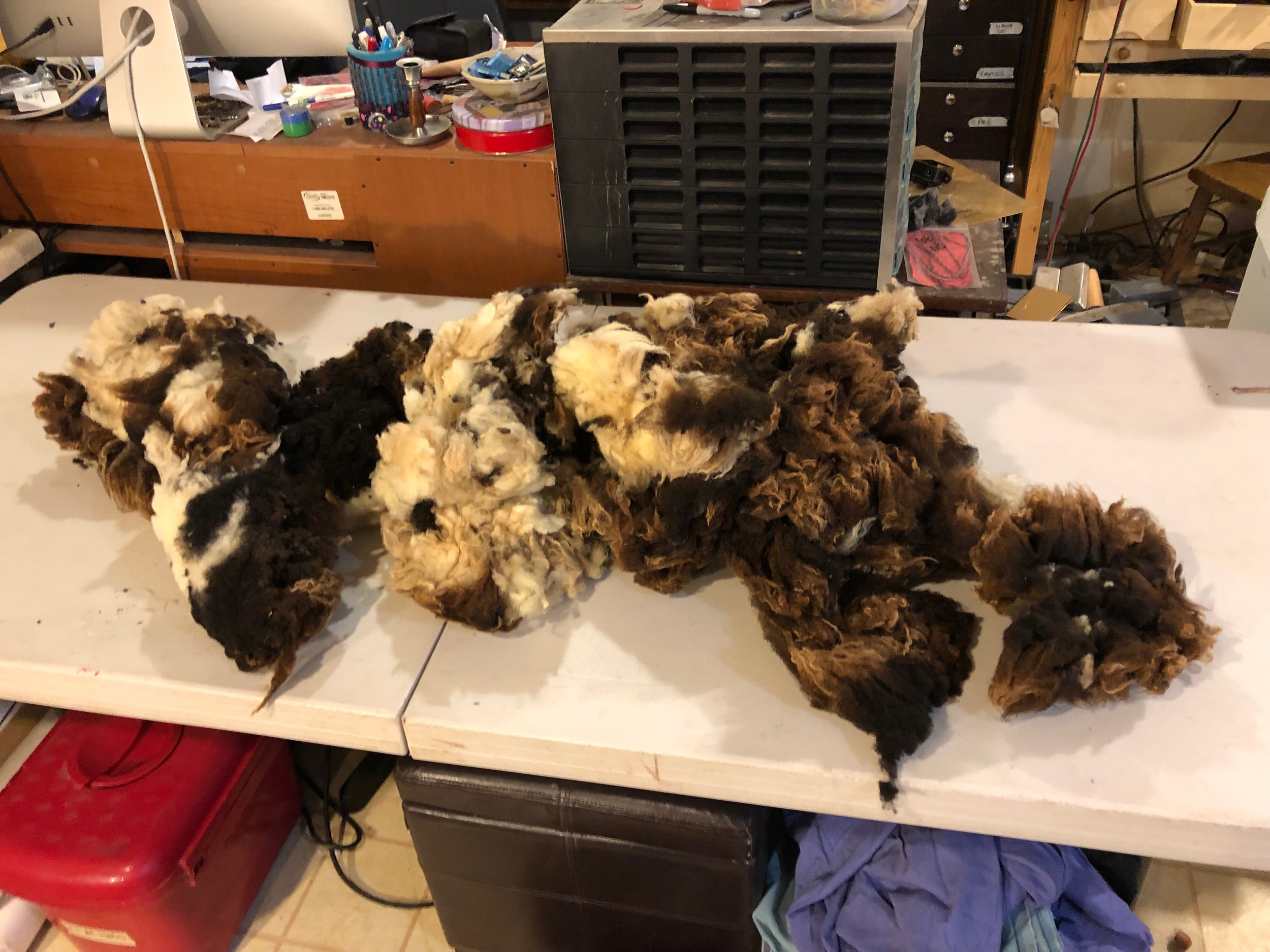
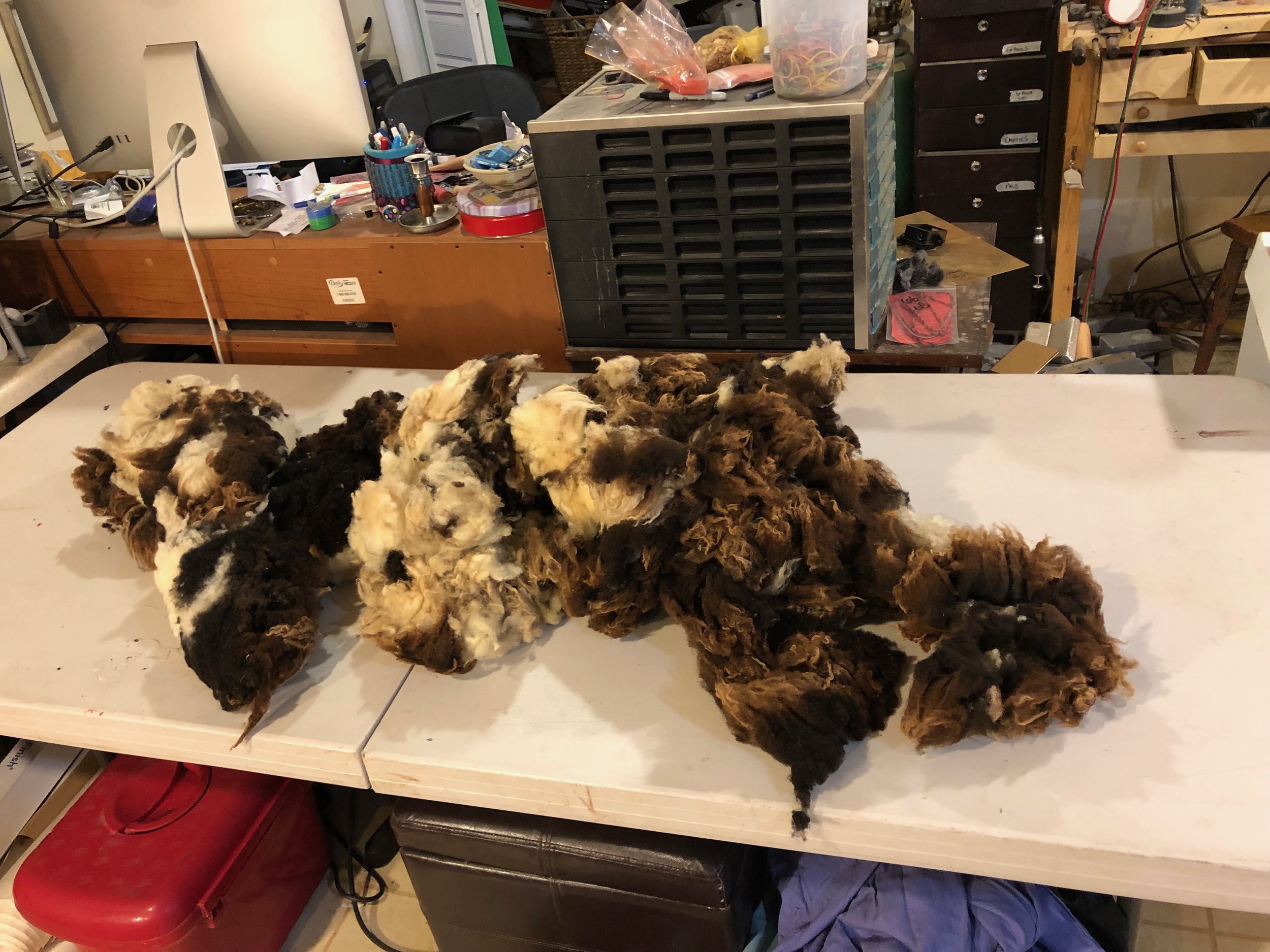
This wool was also decided into dark and light
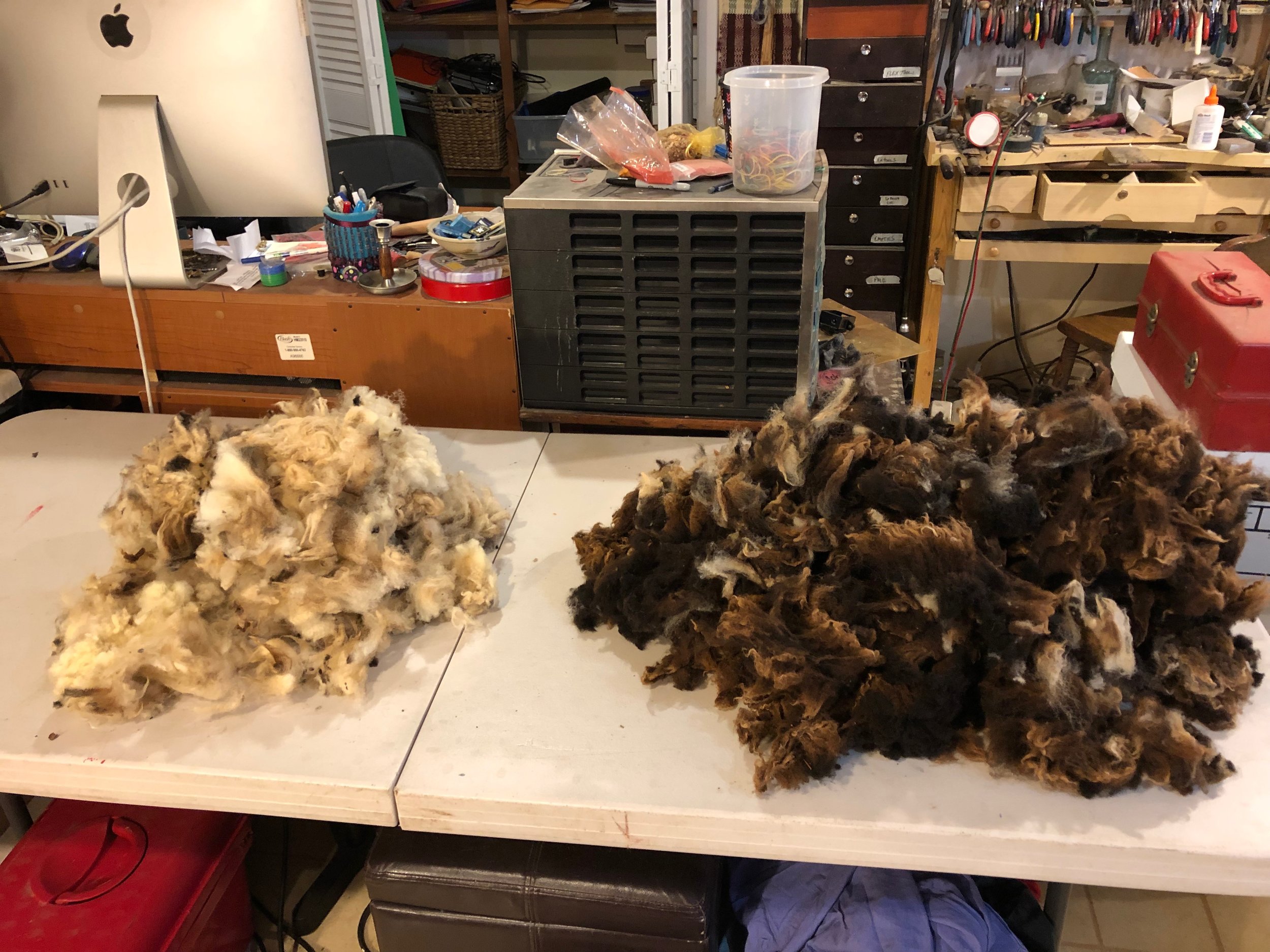
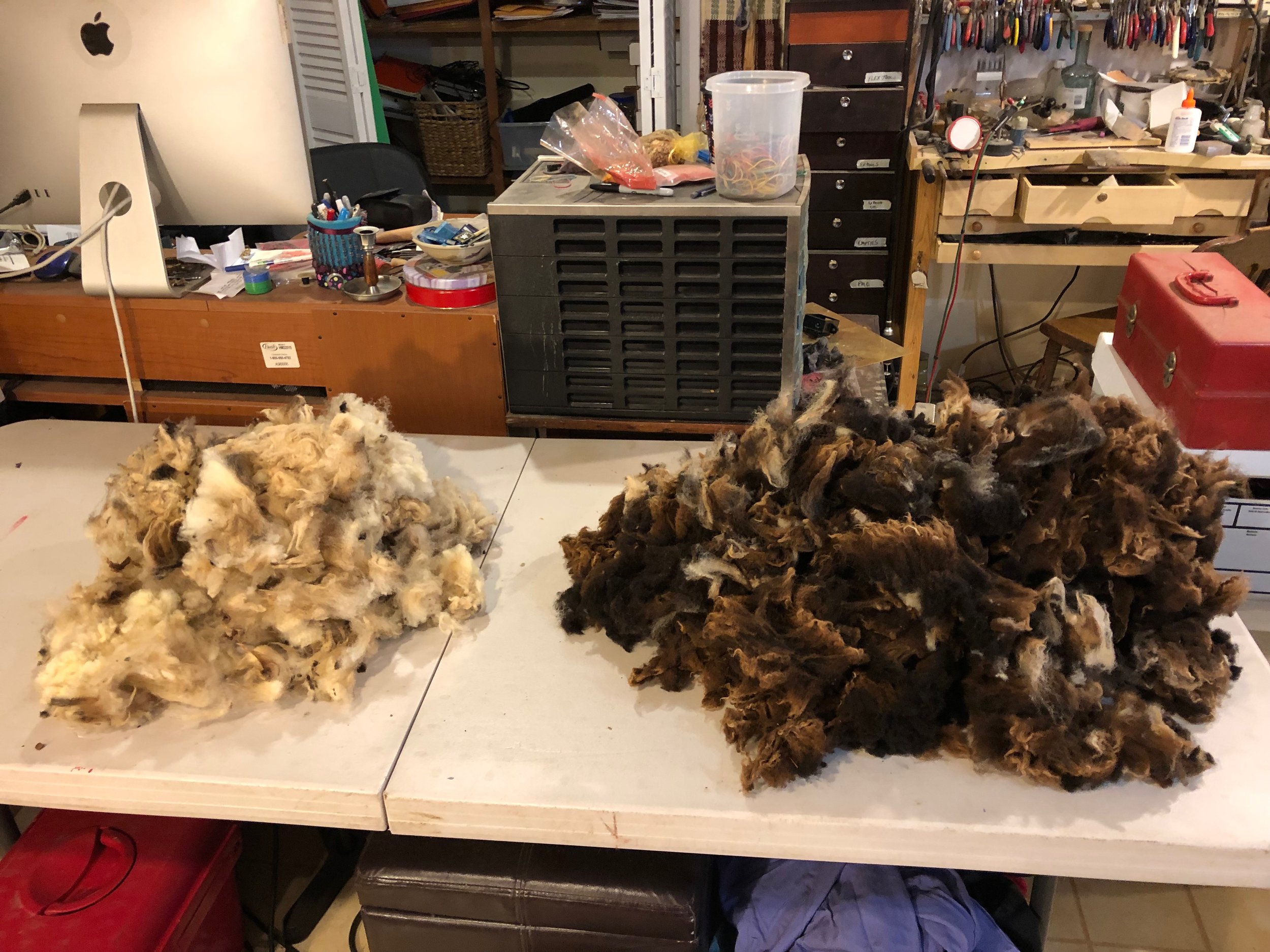
These were then combined together and washed by color
The dark wool was processed first and was done it 2 batches. Each batch was done using the following steps:
Initial hot water rinse. The wool is soaked in hot water for approximately 30 minuteds to help soak off most of the grossest impurities in the wool. This removes a lot of the dust, dander foreign matter, poo and pee.
The 2nd bath is done with hot water and dishwashing detergent. This is used to remove a lot, but not all of the lanolin. With each bath great care is taken not to stir the wool which would cause it to begin felting.
The 3rd and 4th baths are hot water baths to remove the soap and the rest of the dirt.


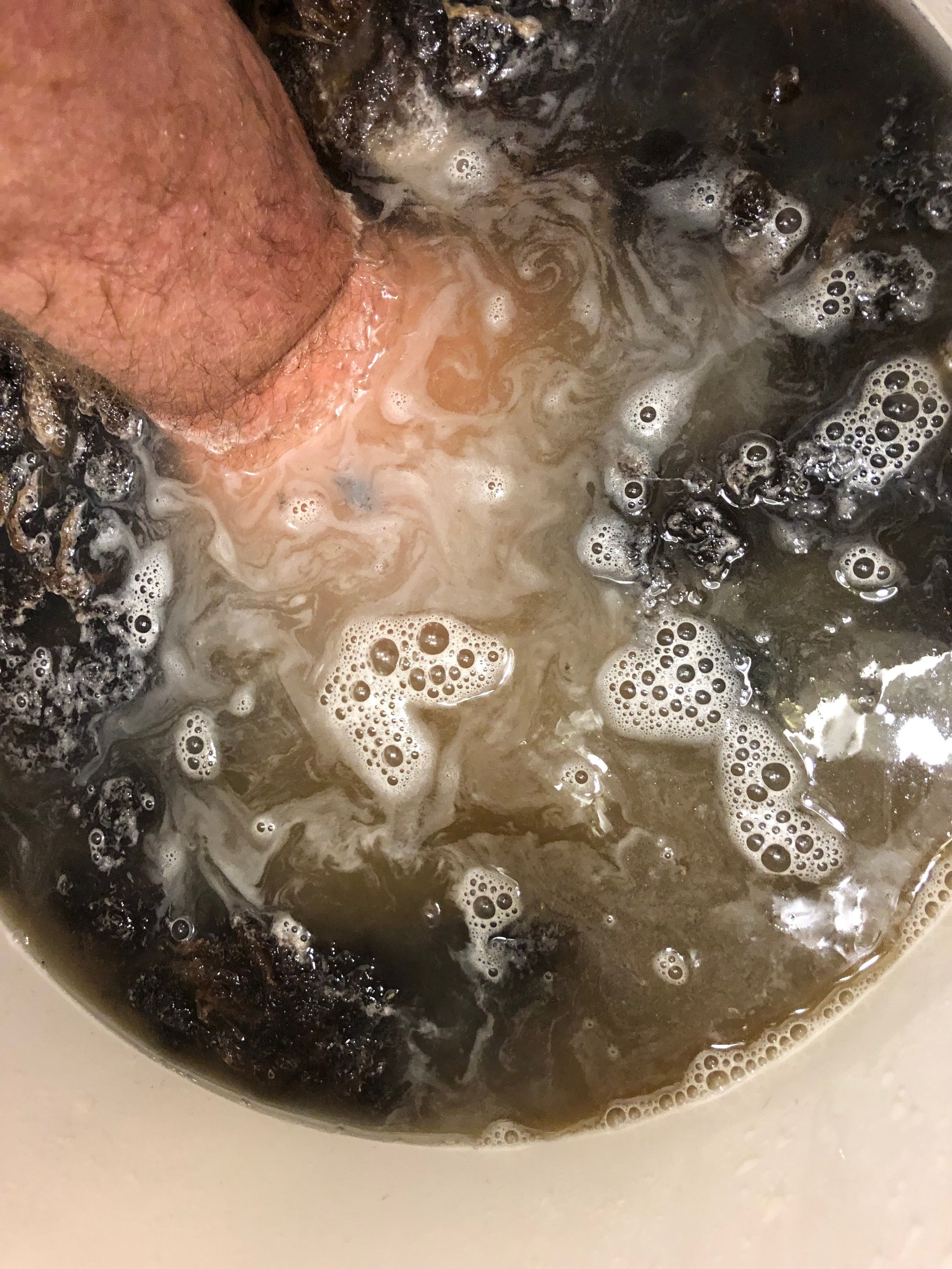


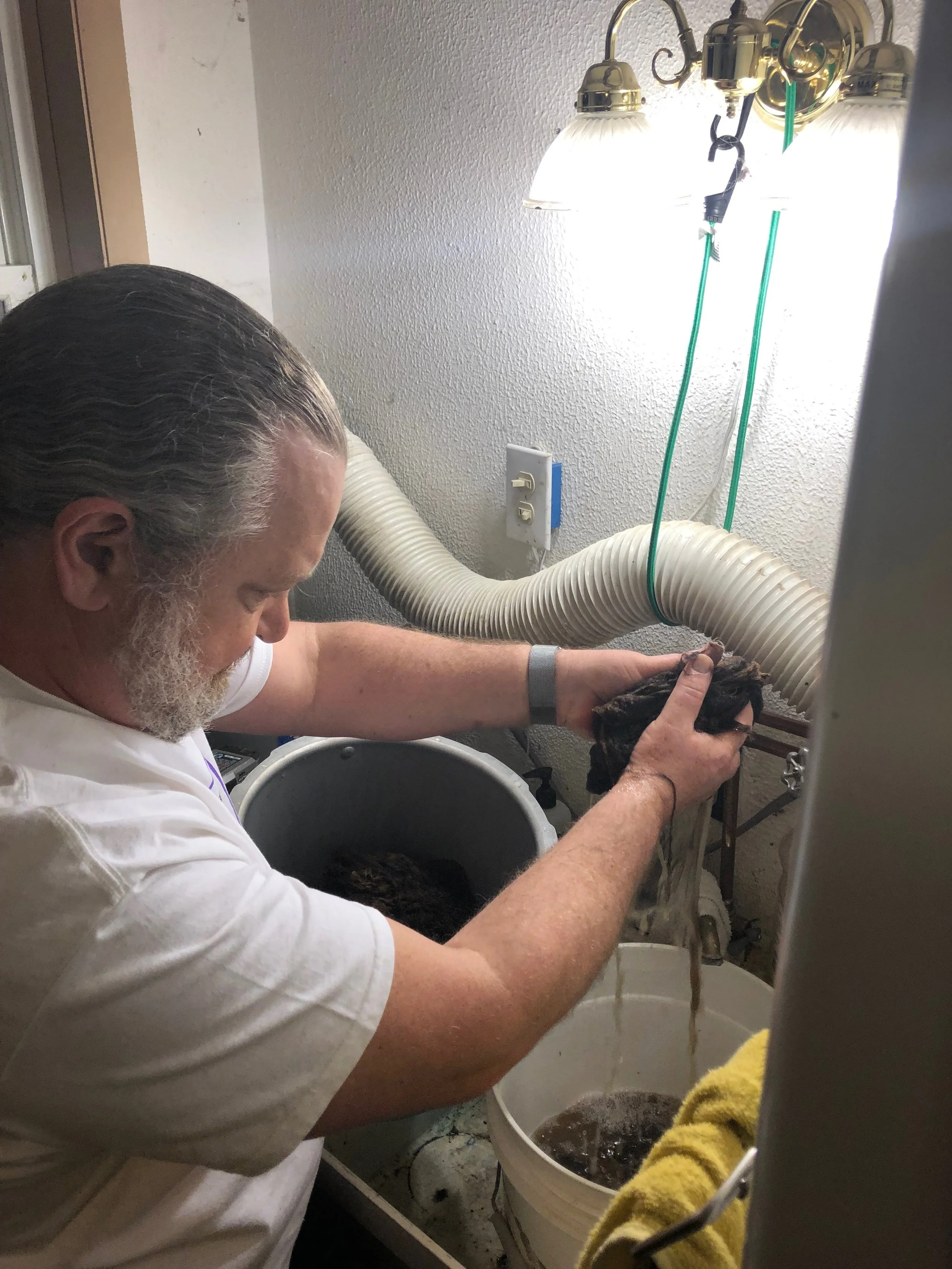
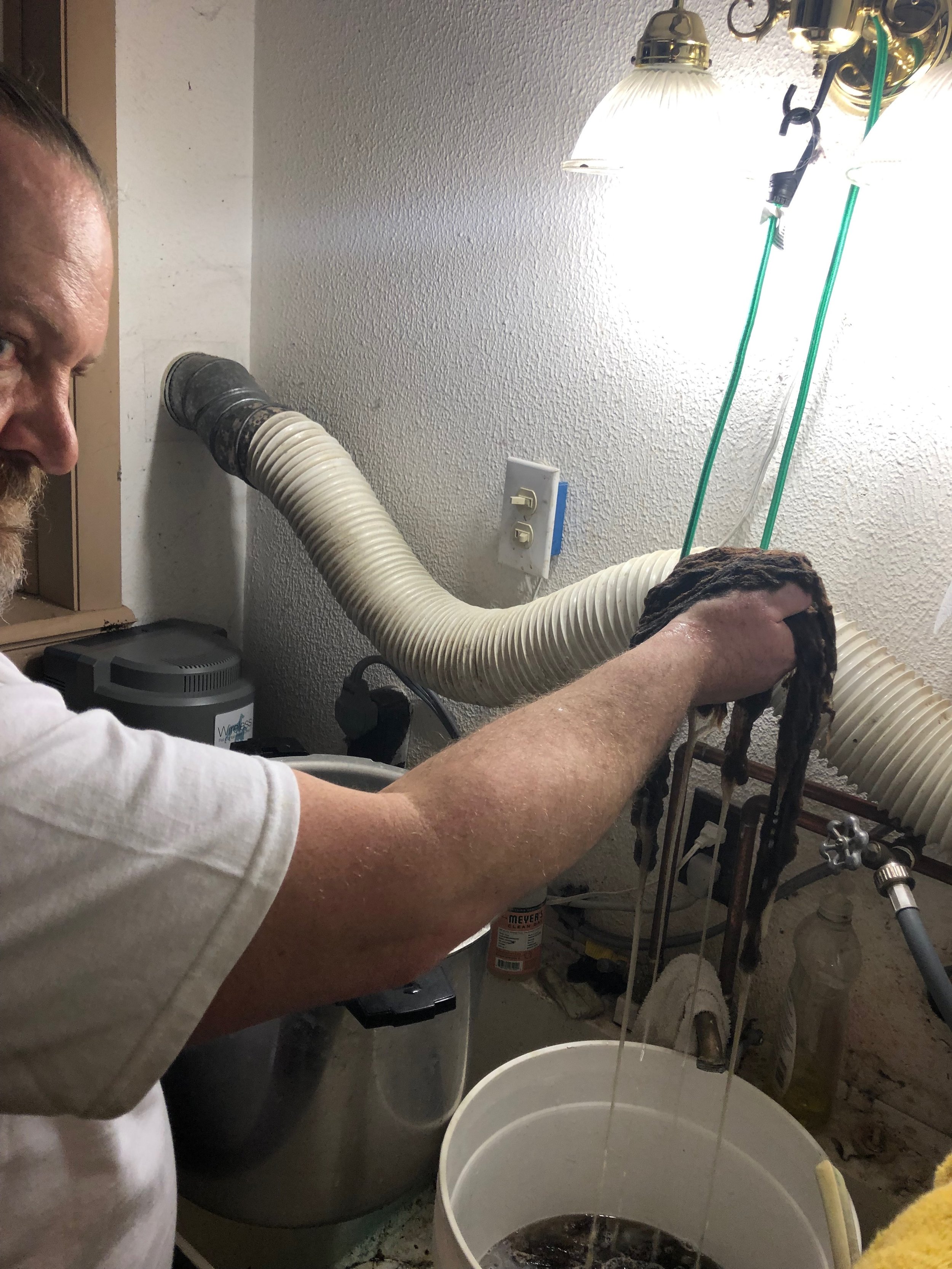


The next step is to dry the wool:
the wool is wrung dry and spread out on a towel.
This is then rolled as tight as possible to squeeze out as much water as possible. This method is used to avoid felting.
the wool is then removed from the towel and spread on drying racks.
The wool is allowed to air dry with will take between 1 and 3 days. With the racks full, I am at a stopping point until i can clear the racks and wash some more wool. This is the dark wool from 2 of the 3 sheep used for this project.


A bit of the white wool was washed in the batch and here it is next to some unwashed wool:
Shearing the sheep
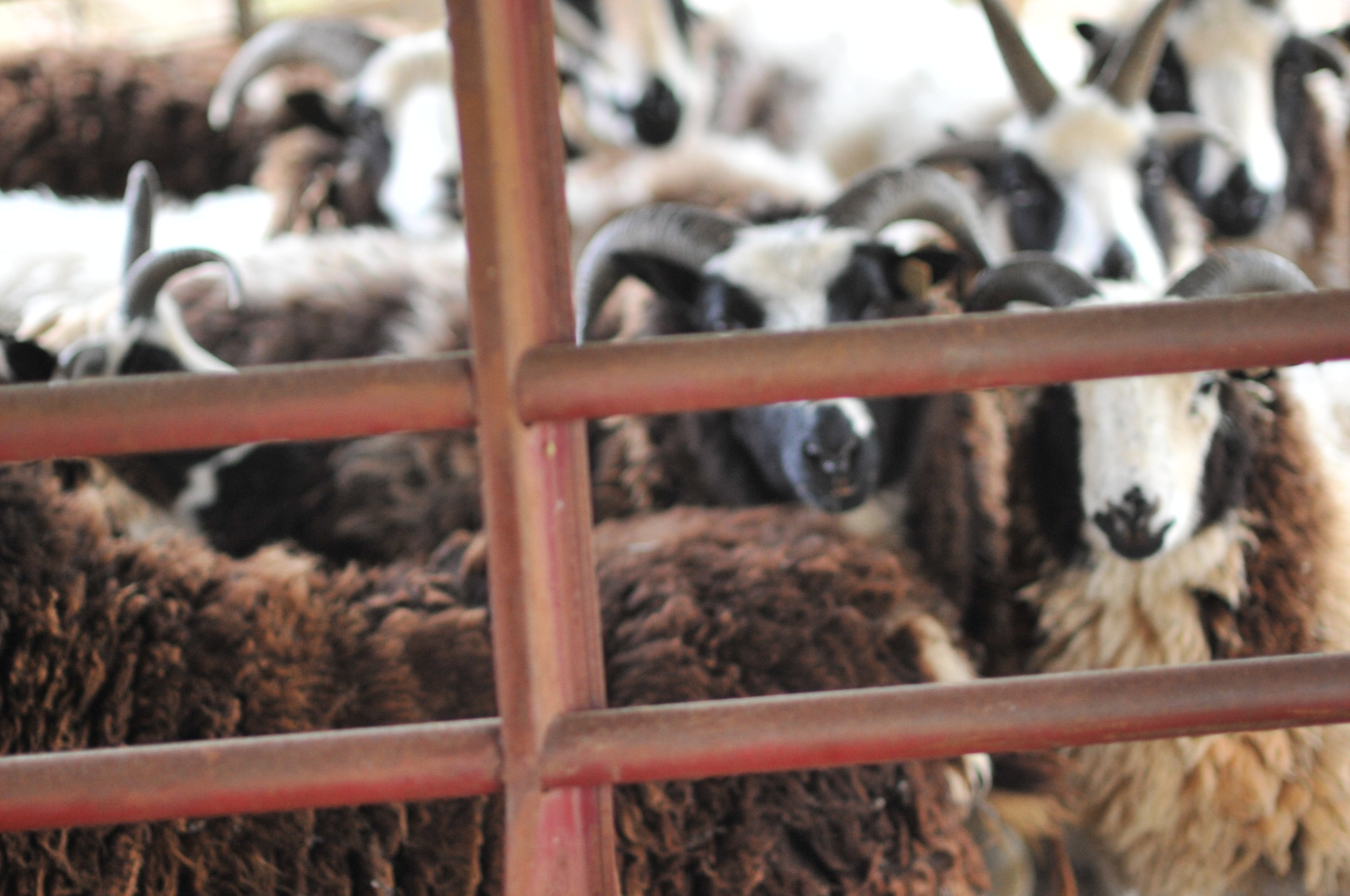
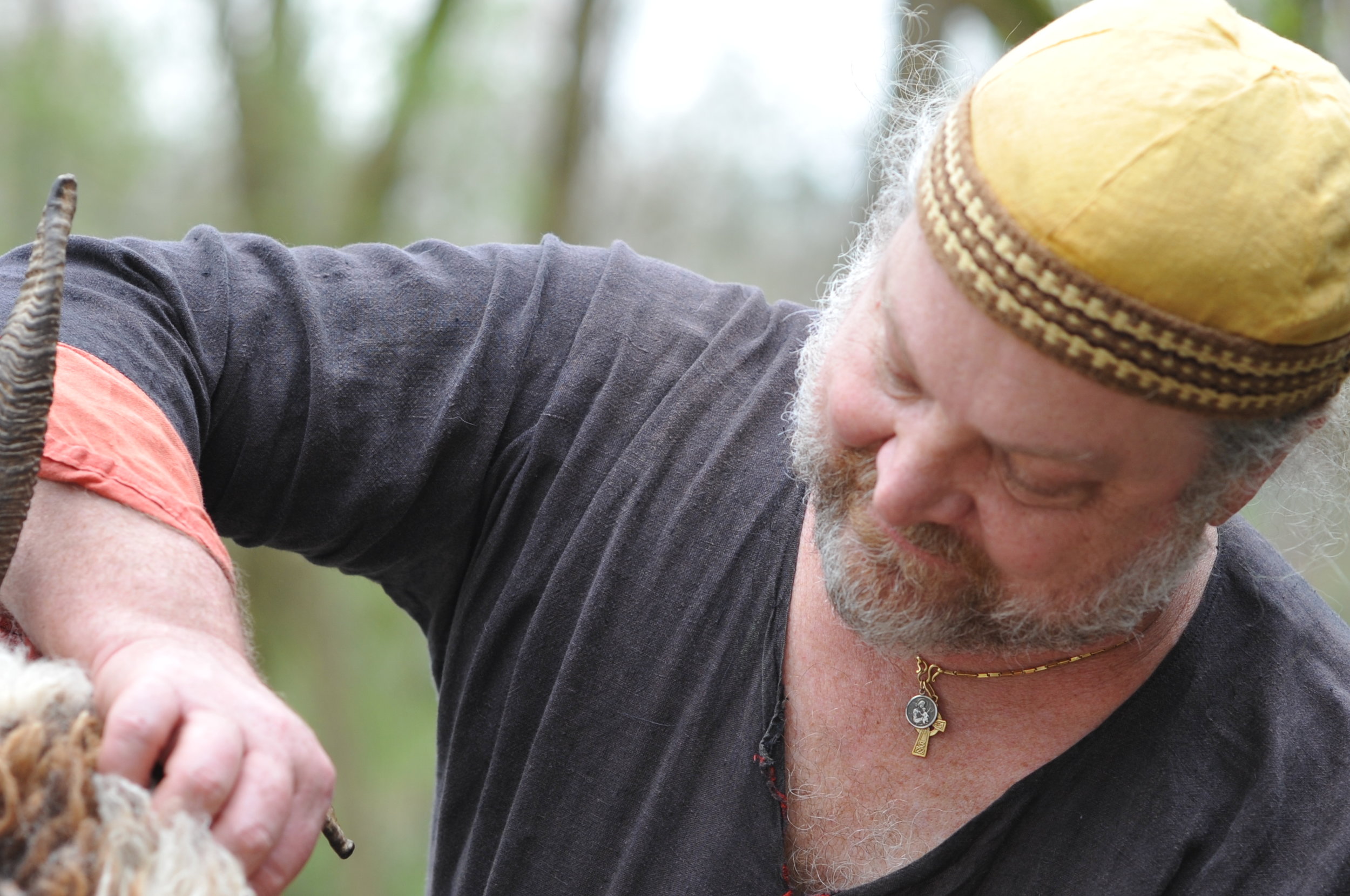
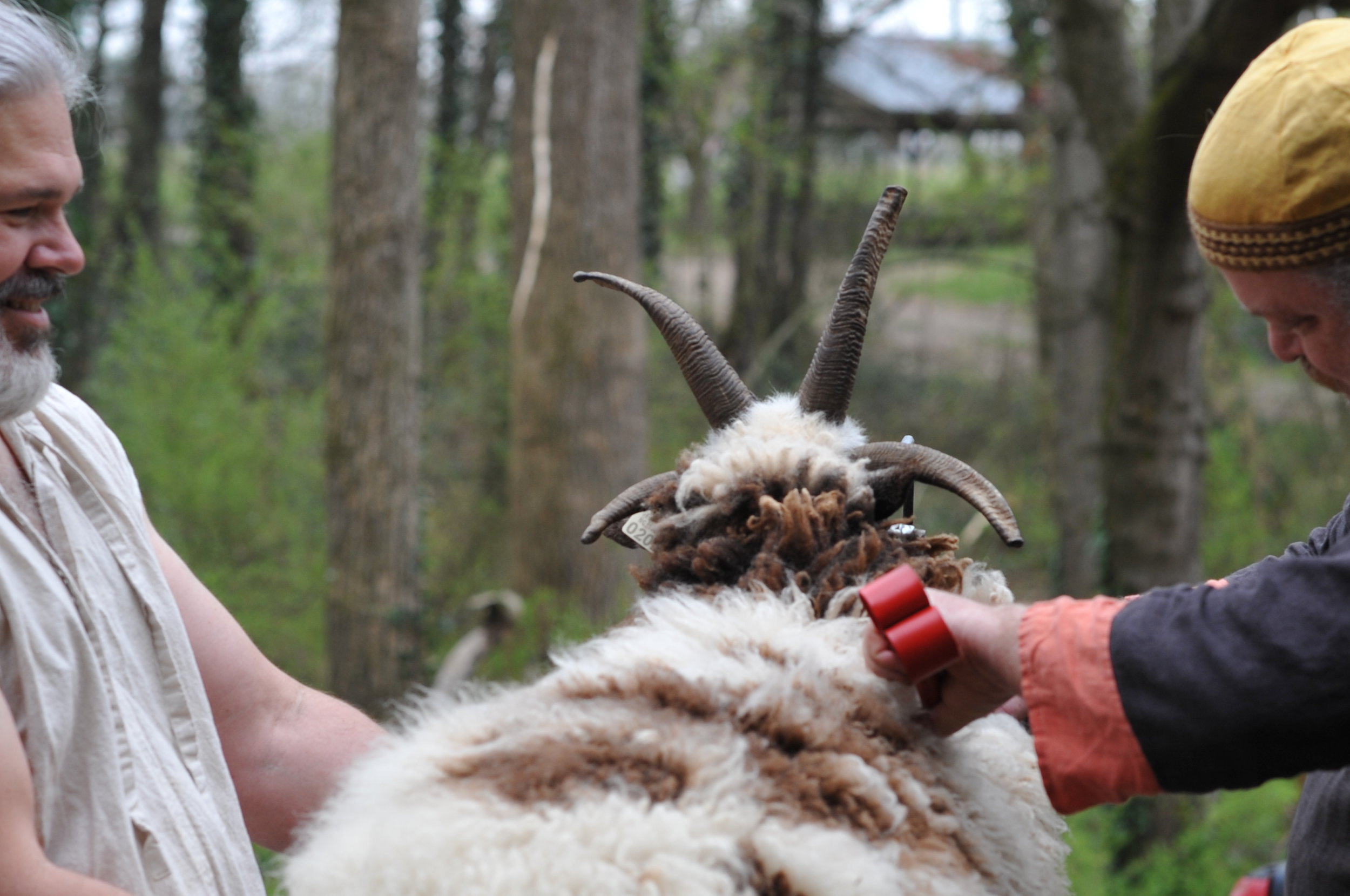
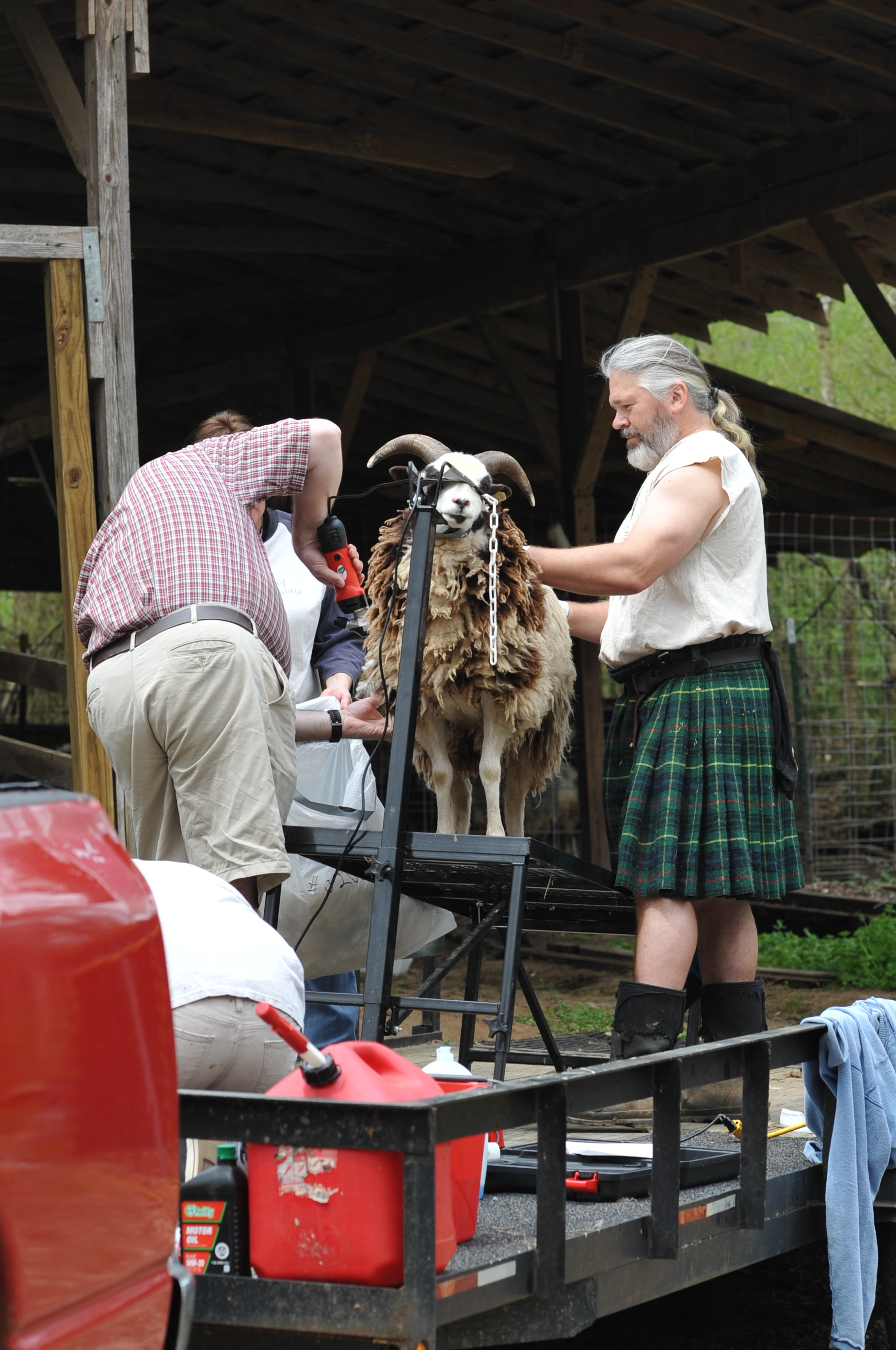
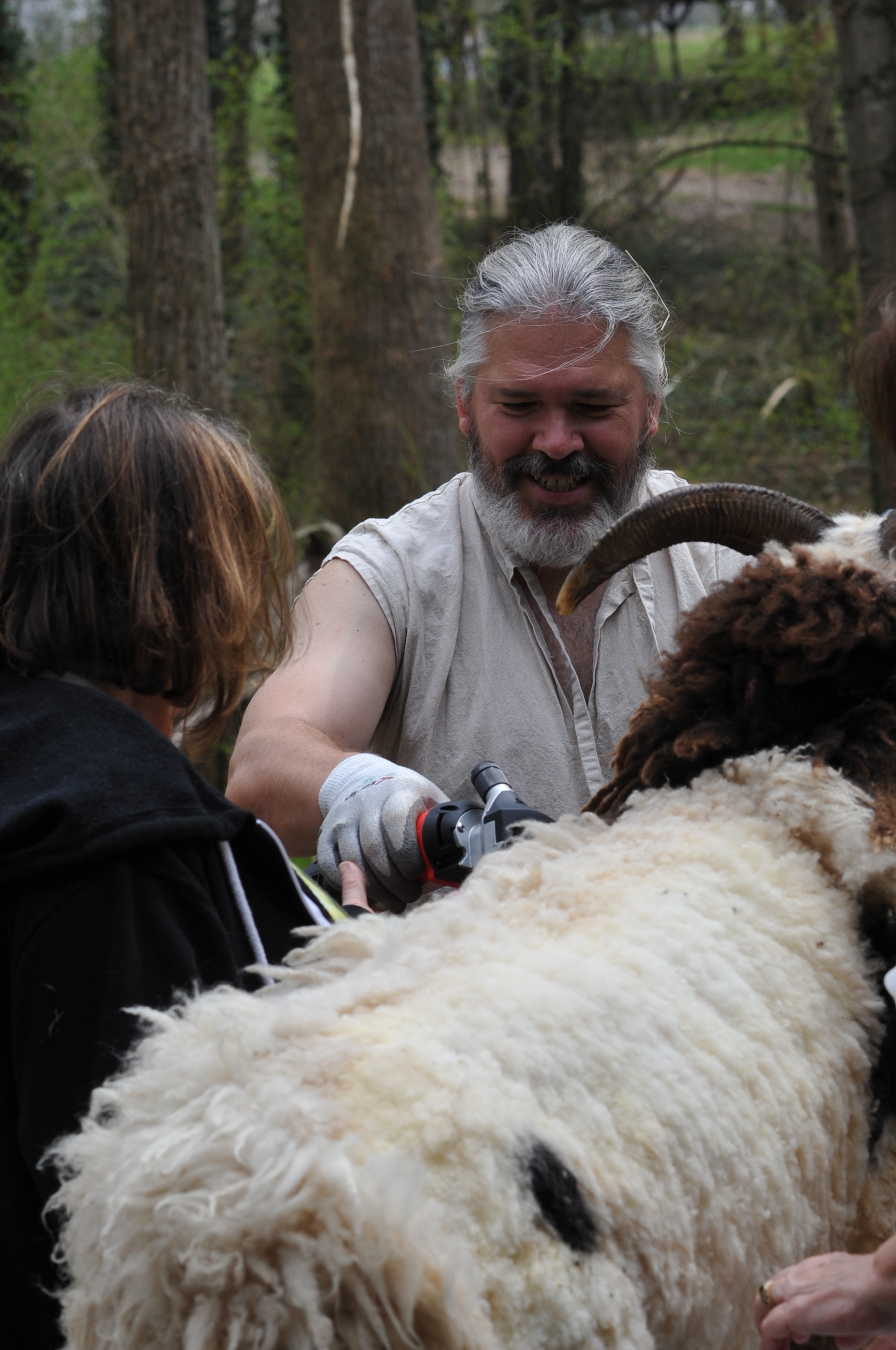
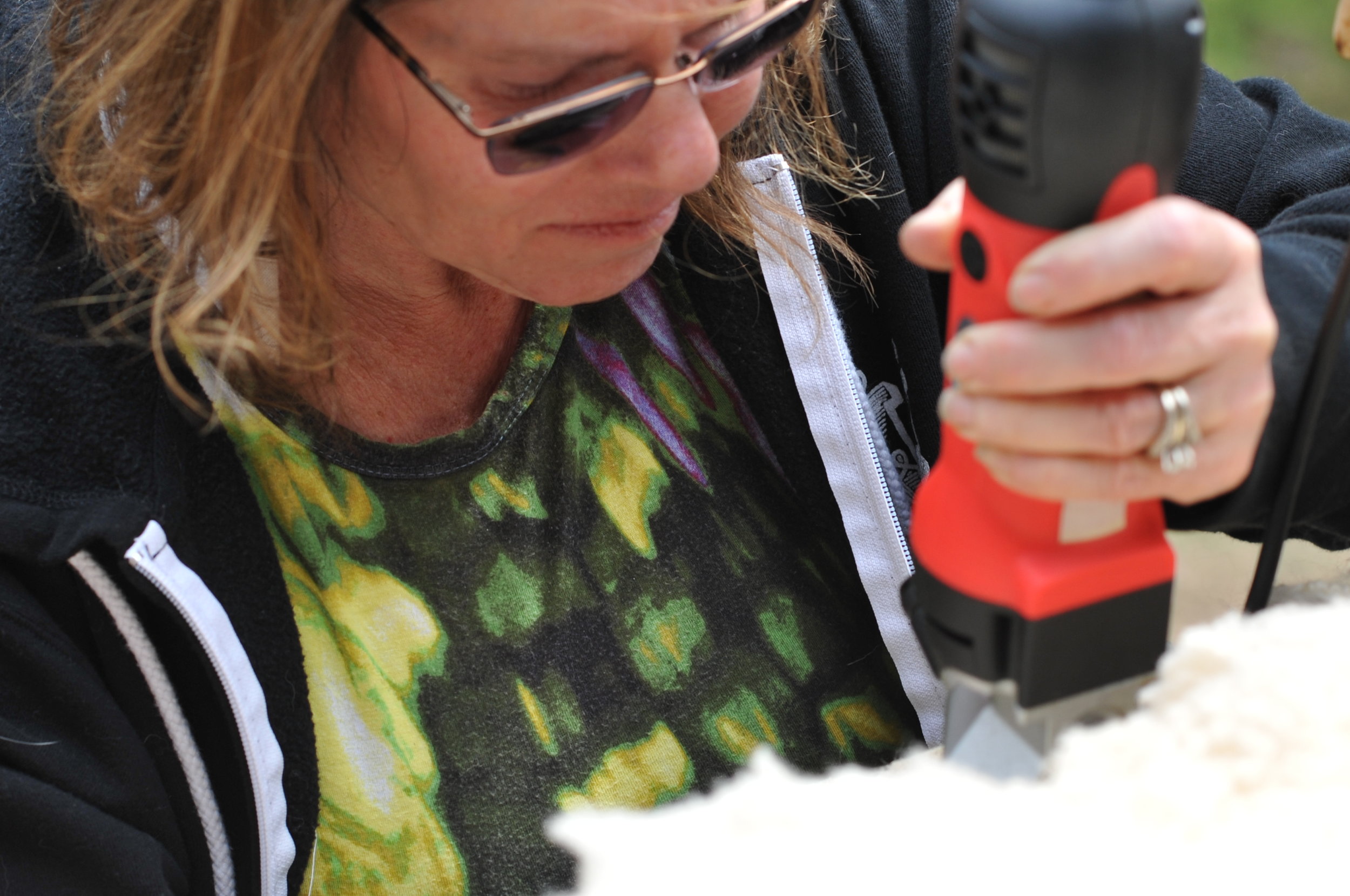
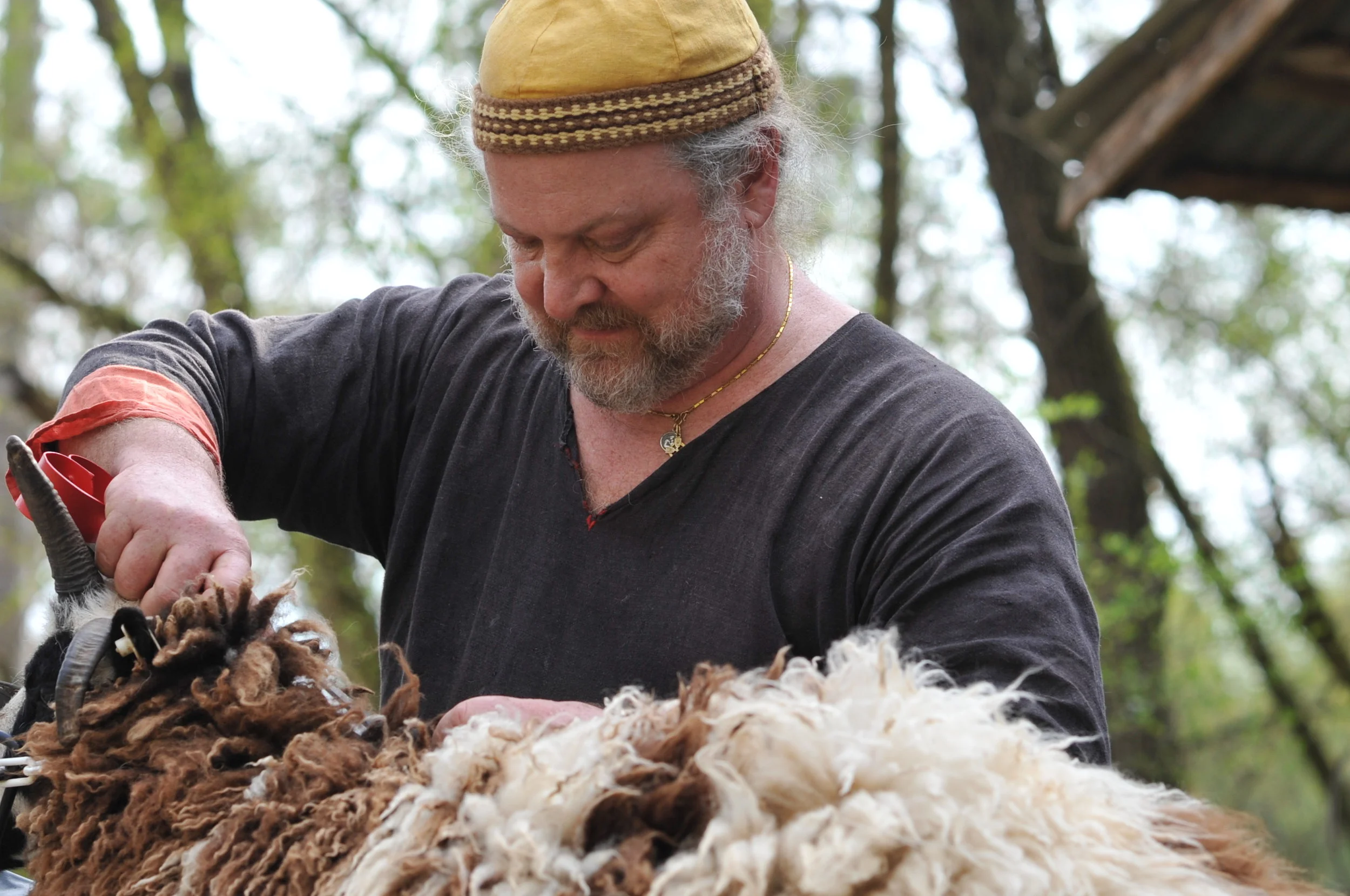
Last weekend I received a wonderful gift from a man I am happy to call friend. I was invited to shear the sheep. There is a long standing joke about this, but i will not go into it yet. Either way,, I was able to sheer 2 sheep for myself and help shear 3 others for a special project. The next couple of blog entries should be documenting the story of the fleeces of the 3 new sheep at Elchenburg castle.